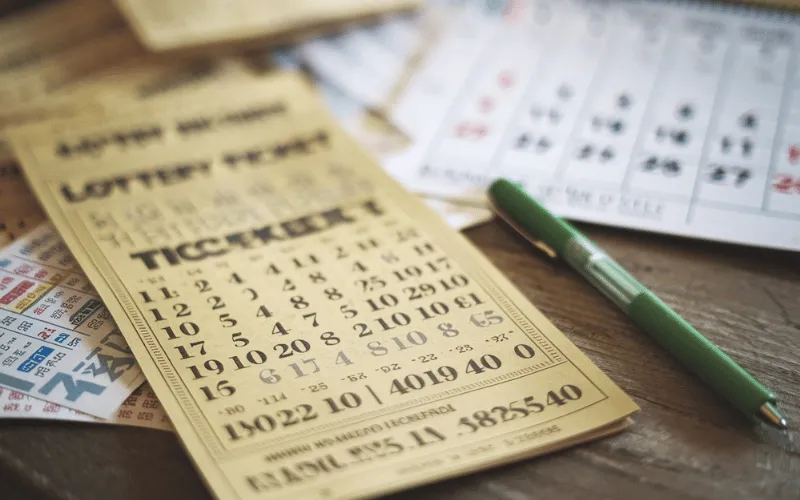
The State Lottery Results India has been an important part of entertainment and opportunity for decades. Many people dream of changing their lives overnight by purchasing a lottery ticket and testing their luck. Among the different forms of lotteries available, state lottery results India hold a significant position as they are officially authorized by various state governments. These government-run lotteries are transparent, reliable, and legal in many regions, giving millions of citizens a chance to win life-changing prizes every day.
What Are State Lotteries in India?
State lotteries in India are government-regulated games of chance where participants buy tickets and wait for official draw results. The lottery is managed by individual state governments under the Lotteries (Regulation) Act of 1998, which allows each state to decide whether to run, ban, or regulate its lottery operations. This means while some states like Kerala, Maharashtra, Punjab, West Bengal, Nagaland, and Sikkim have thriving state lottery systems, others have chosen to prohibit them entirely.
Each state has its unique lottery schemes, draws, and prize structures. The revenue generated from these lotteries goes directly to the state treasury and is often used to fund welfare programs, infrastructure projects, and public services. When you check state lottery results India, you’re not only participating in a game of chance—you’re also contributing to the state’s development.
Popular State Lotteries in India
There are several famous state lotteries that are known for their credibility and huge prize pools. Here are some of the most popular ones:
- Kerala State Lottery – The Kerala State Lottery was the first of its kind in India, launched in 1967. It is managed by the Government of Kerala and is known for its transparency and consistent draws. The state publishes Kerala lottery results daily, including special bumper draws like Onam, Vishu, and Christmas.
- Sikkim State Lottery – Sikkim’s lotteries are well-known across India for their digital presence. The results are available online multiple times a day, including draws like Dear Morning, Dear Evening, and Dear Night.
- Nagaland State Lottery – Another major contributor to state lottery results India, the Nagaland State Lottery conducts draws three times daily. It has a large fanbase in both northeastern and other Indian states.
- West Bengal State Lottery – The West Bengal government manages weekly and special draws. It’s widely trusted and often associated with the Dear Lottery series.
- Maharashtra State Lottery – Established in 1969, this lottery helps fund welfare initiatives and development projects in the state. The Maharashtra state lottery results are regularly updated online and in newspapers.
How to Check State Lottery Results in India
Checking state lottery results India has become extremely easy thanks to digital access. Here are the most common ways to find verified results:
- Official State Lottery Websites – Each state running an official lottery maintains a government website where draw results are published. You can download PDF lists containing the winning ticket numbers.
- Authorized Retailers and Agents – You can visit your nearest lottery retailer to check the printed result sheets.
- Local Newspapers – Most states still publish results in leading regional newspapers the next day after the draw.
- Online Lottery Platforms – Some trusted online platforms aggregate state lottery results India from multiple states for easy viewing.
- Mobile Apps – Many users now prefer checking results via official or third-party mobile apps that update instantly after each draw.
Always make sure you verify your ticket on the official state portal to ensure accuracy and authenticity.
Prize Structure and Claim Process
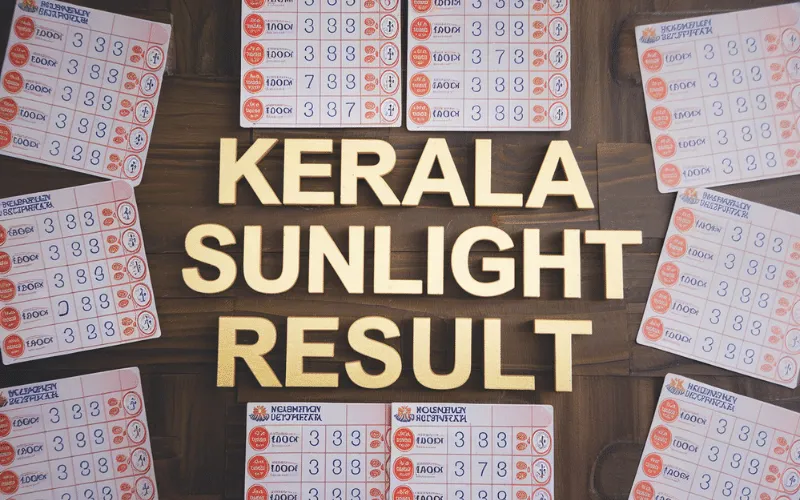
Each state lottery has a different prize structure, ranging from a few hundred rupees to crores. For example, some bumper draws offer first prizes worth ₹1 crore or more. Winners must submit their winning ticket and identification proof to claim the prize.
Here’s how the process generally works:
- Verify your ticket number with the published state lottery results India.
- Fill out the claim form available at the lottery office or official website.
- Attach identity documents such as Aadhaar, PAN card, and a passport-size photograph.
- Submit the claim to the state lottery department within the stipulated time (usually 30–90 days).
- Prizes above ₹10,000 are typically subject to tax deduction as per government rules.
Legality and Transparency
One of the key reasons state lottery results India are trusted is their government regulation. Only the state government has the authority to organize and manage these lotteries, ensuring transparency and security. Draws are usually conducted in the presence of government officials and are open to the public, making them fair and reliable.
However, not all states allow lotteries. States like Gujarat, Bihar, and Uttar Pradesh have banned them, while others permit them under strict conditions. Therefore, always ensure you are purchasing tickets from a legal and authorized source.
Why People Participate in State Lotteries
The popularity of state lotteries is driven by several factors:
- Affordable Participation: Tickets are inexpensive, often starting at just ₹6 or ₹10.
- Transparency: Since they’re run by the government, players trust the fairness of results.
- Excitement and Hope: Every draw brings a new wave of excitement and the possibility of a life-changing win.
- Social Contribution: A portion of proceeds funds state welfare projects, benefiting society as a whole.
Final Thoughts
State lottery results India continue to bring excitement and hope to millions of citizens. Whether it’s Kerala’s historic lottery draws or Nagaland’s popular Dear series, these government lotteries offer both entertainment and a genuine opportunity to win big.
If you choose to participate, always do so responsibly and buy tickets from authorized sellers. Regularly checking official state lottery results India ensures you stay updated on your luck while supporting legitimate, state-run programs. For many, it’s not just a game—it’s a blend of tradition, hope, and opportunity for a better future.